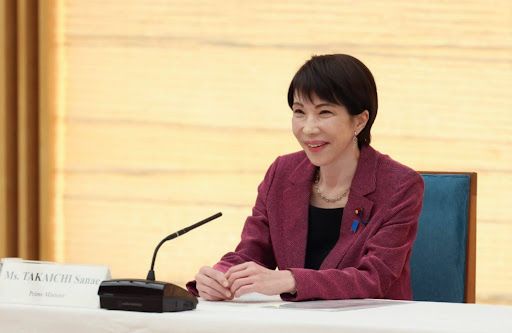
Japan’s near-total dependence on imported oil — with over 90% sourced from the Middle East — has placed the country on high alert as the US-Israel conflict with Iran disrupts the Strait of Hormuz, prompting the government to announce the biggest-ever release from national petroleum reserves. Prime Minister Sanae Takaichi confirmed the deployment of 80 million barrels to domestic refiners from Thursday, describing the intervention as essential to maintaining supply stability during a period of exceptional uncertainty. The move exposes the structural energy vulnerability that Japan has lived with for decades.
Japan’s reserves of approximately 470 million barrels — equivalent to about 254 days of domestic consumption — have been built up over decades precisely to provide insulation against supply shocks like the current one. The 80 million barrel release is 1.8 times the previous record deployment made during the Fukushima emergency of 2011, reflecting both the severity of the current threat and the adequacy of Japan’s preparedness. Even after this release, Japan retains a substantial reserve capable of sustaining the economy through further disruptions.
The government has also activated a private-sector reserve release equivalent to 15 days of supply, approved the week before the state release was confirmed. Together, the state and private sector activations cover 45 days of national consumption — a comprehensive response that reflects the lessons Japan has drawn from past energy emergencies. Refiners are expected to integrate the supply smoothly, minimizing disruption at the retail level.
Gasoline prices had already hit a record ¥190.8 per litre before the government introduced subsidies to cap costs at approximately ¥170. These are reviewed weekly to ensure they remain calibrated to market conditions. The government is also monitoring other supply chains for signs of disruption, mindful that public confidence is as important as physical supply adequacy in managing an energy crisis.
Japan’s diplomatic response has been characterized by constitutional restraint and diplomatic resolve, with Takaichi declining Trump’s request for naval involvement while pursuing extensive multilateral diplomacy. She has pledged to work with all relevant parties to secure peace and stability in the Middle East, which she described as vital for Japan and the world. Japan’s 90% oil import dependency makes this diplomacy not just a moral endeavor but an economic necessity.