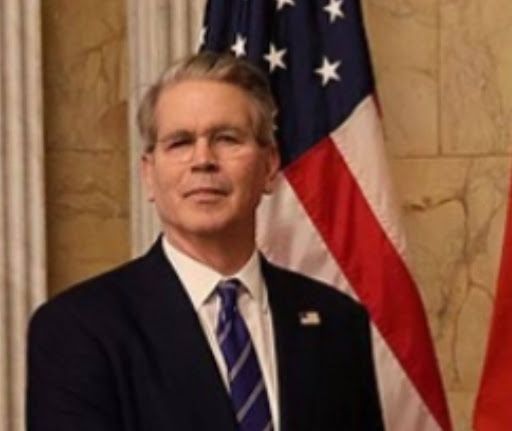
Treasury Secretary Scott Bessent appeared on financial media Thursday to outline one of the Trump administration’s most striking energy policy proposals: temporarily lifting sanctions on Iranian oil stranded on tankers at sea. The plan is part of a wider strategy to combat soaring oil prices that have exceeded $100 per barrel since Iran closed the Strait of Hormuz.
The Strait of Hormuz closure has created a sustained and significant disruption to global oil supply. Daily oil flows through the strait — estimated at 10 to 14 million barrels — have been halted, and prices have responded with a rapid and persistent increase that has now lasted close to two weeks.
Bessent identified approximately 140 million barrels of Iranian crude on tankers as a near-term supply source that could be unlocked through a targeted waiver. This oil, originally on its way to China, could be released to global buyers to provide approximately two weeks of relief, the Treasury Secretary explained, while the US continues its effort to resolve the Hormuz crisis.
The Treasury has previously issued similar waivers, including for Russian oil stranded at sea, which added approximately 130 million barrels to global supply. Bessent also confirmed a US Strategic Petroleum Reserve release is planned beyond the coordinated G7 commitment of 400 million barrels, while categorically ruling out any intervention in financial oil futures markets.
The response from policy and compliance experts was one of caution and concern. They warned that enabling any oil sales by Iran — regardless of how narrow the waiver — would generate revenue for the Iranian regime, which could be channeled into its military activities and regional proxy network. Analysts said the proposal may represent sound short-term crisis management but at a disproportionately high long-term strategic cost.