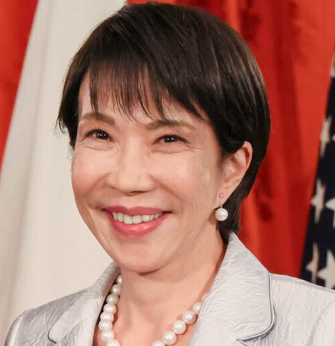
Japan plans to tighten rules for foreign nationals seeking citizenship and permanent residency. Prime Minister Sanae Takaichi has ordered a review of current policies following calls from coalition partner Nippon Ishin, which criticized the existing requirements as too lenient. The government aims to double the minimum required period for acquiring Japanese citizenship from five years to “in principle, 10 years,” while also introducing a Japanese language proficiency condition for permanent residency.
The changes, expected as early as next year, will be implemented through administrative adjustments rather than amending the Nationality Law itself. Exceptions may be granted for individuals deemed to have made significant contributions to Japan, such as long-term athletes or professionals. Currently, about 70% of citizenship applications are approved, with 12,248 applications filed in 2024.
For permanent residency, new guidelines will formally require Japanese language skills and a longer residency period, increasing the minimum from three to five years under current residence status. Authorities are also considering programs to help foreign nationals learn Japanese language and civic rules, potentially making completion a factor in residency approvals. These steps are part of broader efforts by the government and ruling parties to tighten immigration policies and better manage foreign resident integration.