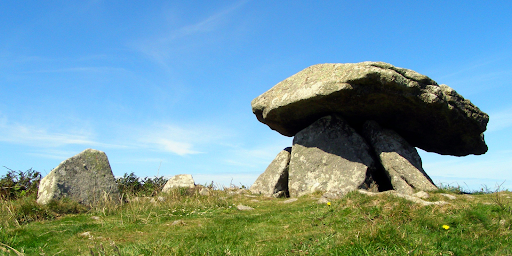
Granite possesses qualities that make it exceptional for preserving information across millennia. Unlike organic materials that decay or wooden structures requiring periodic reconstruction, granite monuments maintain their positions and alignments for thousands of years with minimal change. This material permanence transformed Cornwall’s stones into memory repositories that preserved astronomical knowledge even when cultural transmission faltered or communities disappeared.
The physical durability of granite ensures information encoded in monument positions survives environmental challenges. Weather erodes surfaces slowly, taking centuries or millennia to significantly alter stone shapes. Geological stability means monuments positioned four thousand years ago remain essentially where builders placed them, maintaining original alignments despite intervening earthquakes, storms, and climate changes.
Information preservation through monuments differs fundamentally from oral or written traditions. Human memories fade, stories change with retelling, documents burn or decay. Granite stones persist regardless of whether anyone remembers their significance. This creates situations where monuments preserve knowledge their builders’ descendants forgot, waiting for future generations to rediscover encoded information.
Cornwall’s monuments demonstrate this preservation function through astronomical alignments that persisted after their original meanings were forgotten. For centuries, local populations likely viewed Chûn Quoit and Tregeseal circle as mysterious ancient structures without understanding their astronomical functions. The stones maintained their information—winter solstice alignments remained intact—until modern archaeoastronomy developed methodologies for reading this preserved knowledge.
The stones’ silence contributes paradoxically to their preservation effectiveness. They don’t actively communicate, requiring no maintenance to keep transmitting. This passive information storage proves more reliable than active systems requiring ongoing human intervention. Monuments function as time capsules automatically preserving information until future investigators develop appropriate interpretive frameworks.
Multiple information layers exist within single monuments. Primary alignments mark astronomical events. Construction details preserve knowledge about engineering techniques. Material choices indicate geological awareness. Landscape relationships reveal cosmological frameworks. Each layer adds dimensions to preserved information, creating rich datasets that reward investigation from multiple analytical perspectives.
Rediscovery of preserved knowledge represents ongoing process. Carolyn Kennett’s archaeoastronomy research continues revealing information encoded in monument positions. Each investigation potentially uncovers additional data layers that previous researchers overlooked. This suggests stones may preserve knowledge not yet accessed, waiting for future methodologies to decode remaining information.
Contemporary appreciation for granite’s memory function influences heritage preservation practices. Recognizing monuments as irreplaceable information repositories motivates careful conservation. Preventing damage to stones means protecting knowledge they preserve. This reframes preservation from merely maintaining tourist attractions to safeguarding unique historical records that cannot be reconstructed if lost.
The Montol festival occurs in landscapes where granite memory persists despite cultural changes. Celebrations maintain awareness that stones surrounding participants preserve knowledge from ancestors whose names are forgotten but whose achievements endure in granite. This creates connections between ephemeral human celebrations and eternal stone memory, honoring both transient community experiences and permanent monument preservation of prehistoric knowledge across four thousand years of Cornwall’s continuously evolving yet somehow changeless winter solstice heritage.