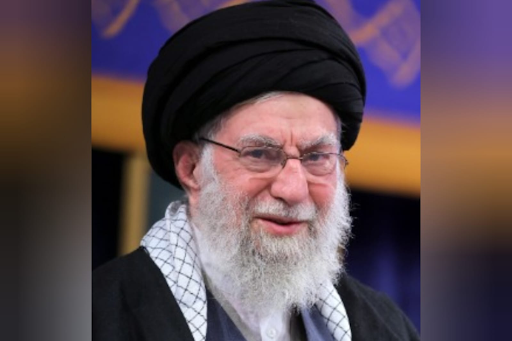
The Assembly of Experts is one of the least understood but most consequential institutions in the Iranian political system. Composed of senior Islamic scholars elected by the public from a pool vetted by the Guardian Council, it has one primary function: to select, supervise, and if necessary dismiss the Supreme Leader. That function has never been more consequential than it is now.
The Assembly has 88 members and meets twice yearly under normal circumstances. In the current crisis, it will convene in emergency session to begin the process of selecting Khamenei’s successor. The deliberations are conducted largely in private, reflecting the traditional clerical preference for consensus-building away from public scrutiny.
The composition of the Assembly reflects the political alignments of Iranian clerical politics: predominantly conservative, attentive to IRGC sensitivities, and unlikely to produce a candidate who would represent genuine ideological departure from the existing system. Reformist clerics who might favor a more open or pragmatic direction were largely excluded from the body through the Guardian Council’s candidate vetting process.
The relationship between the Assembly and the IRGC in the current selection process will be crucial. The Assembly has the constitutional authority to make the selection, but the IRGC has the military and security power that any new Supreme Leader will need to function effectively. The two institutions will need to converge on a candidate acceptable to both — a negotiation that is occurring, presumably, in real time.
Historical precedent provides limited guidance. The Assembly has selected a Supreme Leader only once before, in 1989, under very different conditions. The process then was relatively smooth because Khamenei had clear backing from the revolutionary establishment. The current process faces far more complex and uncertain conditions.