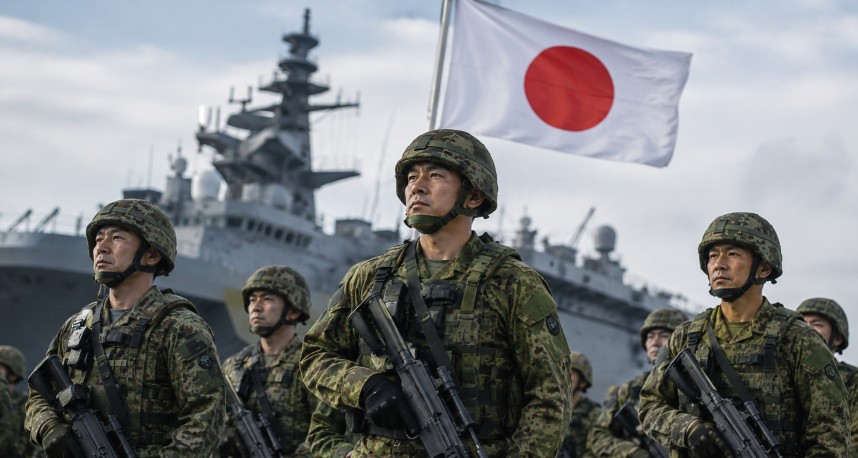
Japan is set to enhance its defense capabilities through a forthcoming economic and fiscal policy blueprint, anticipated to bolster military spending significantly in the years ahead. The government’s annual Basic Policy on Economic and Fiscal Management and Reform, slated for approval later this month, will renew Japan’s commitment to transforming its defense capabilities within a five-year period. Although the document will not establish a specific spending target, it will emphasize the defense expenditure goals of key international allies and partners.
Reflecting on the increasing calls from the United States for allies to take on greater security responsibilities, the policy is likely to underline these demands. Furthermore, it will mention that NATO members, along with South Korea and Australia, have already adopted medium- and long-term plans to boost their defense budgets. A draft of the policy includes a footnote referencing NATO’s aim to raise core defense spending to 3.5% of GDP by 2035, South Korea’s intention to achieve a similar target as promptly as possible, and Australia’s plan to allocate 3% of GDP to defense by 2033.
Japan’s current national security strategy, introduced last year, intends to double defense spending from 1% to 2% of GDP within five years. The government has already met this target ahead of schedule, achieving it in fiscal 2025. This progress underscores Japan’s proactive approach to strengthening its military stance amidst an evolving regional security landscape.
The revised policy will lay the groundwork for updates to Japan’s three principal national security documents later this year. With defense spending likely to remain a central theme, Tokyo is positioning itself to address the increasingly complex security challenges in the region. As Japan aligns its defense objectives with those of its allies, the policy blueprint serves as a critical step in fortifying its national security framework.