One of the most treacherous aspects of high cholesterol is its silence. It’s a condition that can cause progressive, severe damage to your cardiovascular system for years, even decades, without producing a single, noticeable symptom. This lack of warning signs leads many people to believe they are healthy, while a dangerous process unfolds within their arteries.
The disease process driven by high cholesterol is atherosclerosis, the gradual accumulation of fatty plaque. This buildup doesn’t hurt. You won’t feel your arteries narrowing or hardening. Your body gives you no day-to-day indication that your risk of a heart attack or stroke is steadily climbing.
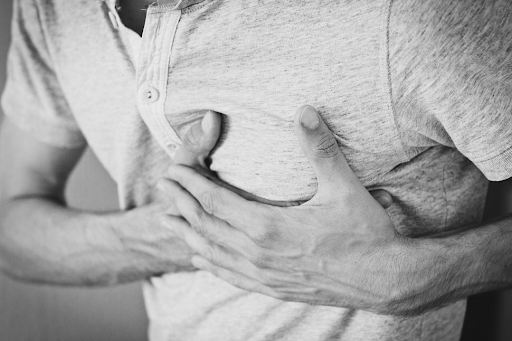
Symptoms typically only appear when the disease has reached a critical stage. For example, you might experience chest pain (angina) when plaque has narrowed a coronary artery so much that the heart muscle can’t get enough oxygen during exertion. You might experience leg pain while walking if arteries in your limbs are severely blocked (peripheral artery disease).
In the worst-case scenario, the very first “symptom” is the catastrophic event itself. A sudden plaque rupture can trigger a heart attack or stroke with no prior warning. This is why cardiologists refer to high cholesterol as a “silent killer”—its consequences are loud and devastating, but its progression is whisper-quiet.
This is precisely why you cannot rely on how you feel to gauge your cardiovascular health. The only way to know if you have high cholesterol is to get a blood test. Regular screening is the essential tool that breaks the silence, giving you the chance to intervene and manage the risk before it leads to a medical emergency.