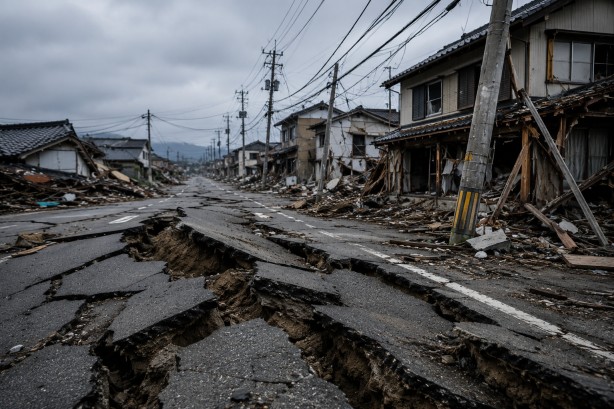
A significant earthquake has struck Japan’s Kyushu region, leading to major disruptions in semiconductor production and affecting supply chains. This seismic event has compelled several prominent manufacturers to pause their operations while they evaluate the extent of the damage. Kumamoto Prefecture, a crucial area within Japan’s “Silicon Island,” hosts essential chip production facilities operated by companies such as TSMC, Renesas Electronics, Sony, Mitsubishi Electric, and Tokyo Electron.
Although some factories have reported no substantial structural damage, production remains at a standstill due to the necessity of inspecting and recalibrating the sensitive semiconductor equipment. This process is essential before resuming operations, as even minor misalignments can affect production quality. The earthquake has also caused disruptions to transportation networks, posing significant logistical challenges and raising concerns about potential delays in chip shipments.
The repercussions of the earthquake have extended beyond the semiconductor sector, affecting the broader manufacturing landscape. Automotive giant Toyota has temporarily halted production at several plants due to issues with suppliers and logistics. Similarly, Honda has prolonged the shutdown of its motorcycle factory in Kumamoto as a result of the ongoing disruptions. Other manufacturers in the region are currently evaluating the situation to determine when it will be feasible to resume operations.
The incident highlights the vulnerability of global supply chains to natural disasters, especially in regions that are critical to technology production. As companies continue to assess the damage and work towards resuming normal operations, the focus remains on ensuring the safety and integrity of their facilities. The ensuing delays in chip production and transportation could have wide-reaching effects, influencing various industries that rely on these essential components.