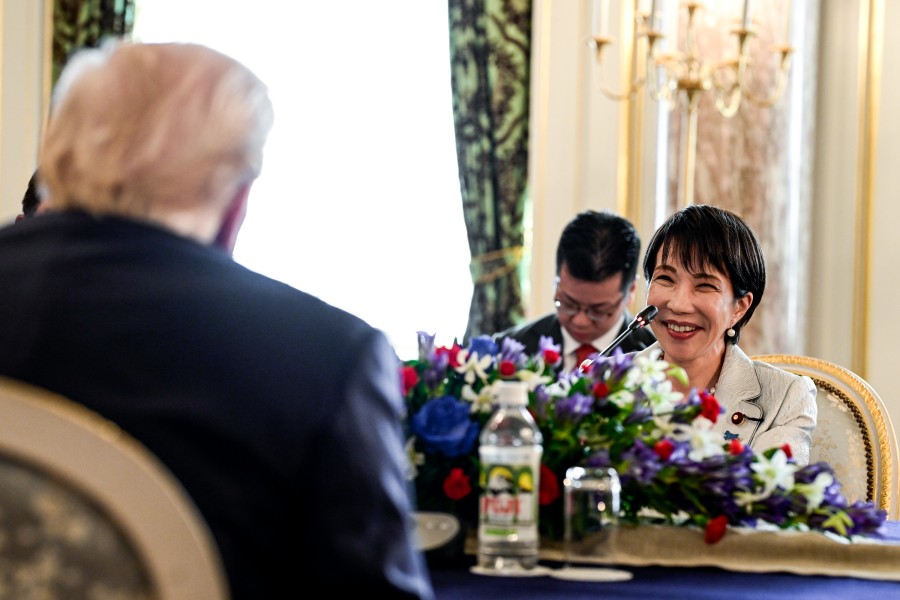
At the G7 summit, Japanese Prime Minister Sanae Takaichi made her first appearance, aiming to solidify Japan’s status as a dependable and steady ally on the global stage while promoting key national interests through diplomacy and international collaboration. Instead of taking center stage in public dialogues, Japan concentrated on fostering consensus and endorsing collective efforts on significant global matters. These included the ongoing conflicts in Ukraine and the Middle East, security concerns in the Indo-Pacific region, the resilience of supply chains, and the management of critical mineral resources.
Japanese representatives underscored the link between events in Europe and the security challenges faced in Asia, with particular emphasis on regional stability and maritime security issues. The joint statements from the summit mirrored this perspective, showing support for Ukraine, initiatives to bolster economic security, and commitments to ensuring a free and open Indo-Pacific. These efforts highlight Japan’s strategic approach to addressing interconnected security concerns across different regions.
In the lead-up to the summit, Takaichi engaged in bilateral discussions with leaders from the United Kingdom and Italy, focusing on collaboration in defense and next-generation technology projects. These meetings underscored Japan’s interest in forging strategic partnerships that enhance both national and international security and technological advancement.
Observers noted that Japan’s influence at the summit was characterized by subtle diplomacy and coalition-building rather than overt leadership. This approach reflects Japan’s steady and pragmatic strategy, which continues to establish it as a trusted partner within the G7 amidst a backdrop of rising geopolitical uncertainties. Japan’s quiet yet effective diplomacy highlights its role as a key player in fostering cooperative solutions to global challenges.