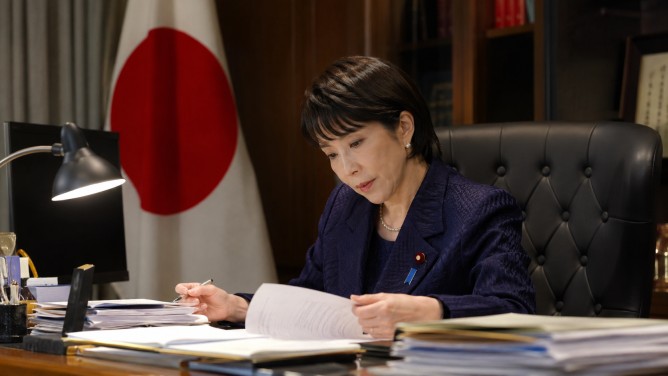
Japanese Prime Minister Sanae Takaichi has sparked public debate by disclosing her sleep habits, stating that she usually gets between zero to three hours of sleep per night since assuming office in October. This revelation has raised questions about her approach to leadership and the demands of her position.
In a recent social media post, Takaichi mentioned that she recently managed to get five hours of sleep, an anomaly in her typical routine. She explained that her late nights are spent reviewing government documents and preparing for parliamentary sessions. Beyond her professional duties, Takaichi noted that her personal time is consumed by household chores such as cooking, cleaning, and laundry.
The disclosure has led to criticism from opposition leaders who argue that the prime minister should delegate responsibilities more effectively. They emphasize the importance of prioritizing rest to ensure sound decision-making. Takaichi’s work ethic, which she has previously highlighted, involves a commitment to focus intently on her responsibilities, a stance that has also brought attention to her advocacy for relaxing work-hour regulations in Japan.
The discussion around Takaichi’s sleep schedule has reignited broader conversations about work culture, leadership, and the balance between professional and personal life within Japanese politics. Observers are questioning whether the demands of her role and her approach to handling them are sustainable or beneficial in the long term.